
Cookies disclaimer

I agree Our site saves small pieces of text information (cookies) on your device in order to deliver better content and for statistical purposes. You can disable the usage of cookies by changing the settings of your browser. By browsing our website without changing the browser settings you grant us permission to store that information on your device.
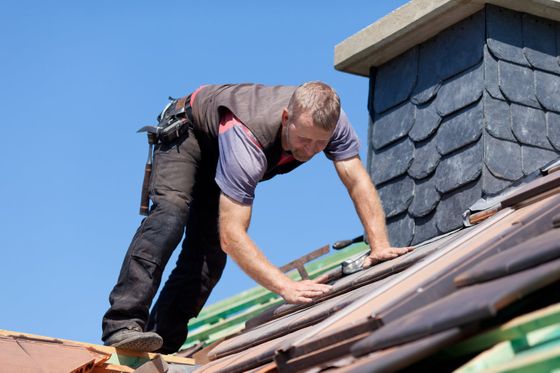
Roof Repairs Woking

Roof Repairs Woking

Raynes Roofing provides roof repairs in Woking for leaking, damaged and deteriorating pitched and flat roofs. Repairs can address slipped or broken tiles, damaged slates, defective leadwork, leaking chimneys and valleys, failed ridge and verge details, damaged felt, flat roof defects and problems affecting gutters or roof drainage.

A roof repair should correct the component allowing water to enter or preventing the roof from shedding water correctly. The point where damp appears inside a property is not necessarily the point where rainfall entered because water can travel along underlay, roof timbers, decking or adjoining surfaces before becoming visible.

Visible symptom → roof inspection → defect identification → water-path assessment → repair scope → restored weatherproofing.

What Roof Repairs Does Raynes Roofing Carry Out in Woking?

The required repair depends on which part of the roof has failed and whether the surrounding construction remains serviceable. Raynes Roofing carries out repairs across the main pitched roof, flat roof, chimney and drainage components found on Woking properties:

  • Tile roof repairs: replacement or reinstatement of cracked, broken, slipped and missing roof tiles.
  • Slate roof repairs: replacement and securing of damaged or displaced slates and associated local details.
  • Flat roof repairs: treatment of local splits, punctures, failed joints, damaged coverings and defective perimeter or penetration details.
  • Chimney repairs: repairs to defective pointing, leadwork and roof-to-chimney junctions, together with chimney removal where appropriate.
  • Lead flashing repairs: reinstatement of weatherproof junctions around chimneys, walls, abutments and other roof interfaces.
  • Ridge, hip and verge repairs: repair or renewal of defective components where roof planes meet or terminate.
  • Felt and batten repairs: local renewal where defects beneath tiles or slates have affected supporting roofing components.
  • Gutter and drainage repairs: cleaning, unblocking and repairing defective guttering where poor drainage is contributing to water problems.

These services identify the affected roof component. The inspection then determines whether that component can be repaired independently or whether water damage has extended into adjoining materials.

How Is a Roof Leak Diagnosed in Woking?

A roof leak is diagnosed by tracing the relationship between the internal evidence of water and the external roofing details capable of admitting it. Simply repairing the roof directly above a ceiling stain can miss the true entry point.

  1. Locate the internal symptom → identify staining, dripping, dampness or damaged finishes and establish when the problem occurs.
  2. Relate it to the roof above → identify the relevant slope, valley, chimney, abutment, flat roof area or drainage route.
  3. Inspect likely entry points → check tiles, slates, membranes, flashings, joints, penetrations and roof edges for compatible defects.
  4. Trace the probable water path → determine how rainfall could travel from the external defect to the point where it becomes visible internally.
  5. Assess surrounding materials → establish whether the defect remains localised or has affected underlay, battens, decking or adjacent roof coverings.
  6. Define the repair boundary → remove or repair enough defective material to reinstate a complete weatherproof detail.

This is particularly important around roof junctions and penetrations because several materials must remain weatherproof where the continuous roof covering is interrupted. NHBC roofing guidance similarly identifies penetrations and adjoining details as locations where correct sealing and formation are critical.

What Commonly Causes Roof Leaks in Woking?

Different roof defects can produce the same internal symptom. The repair should therefore be matched to the failure mechanism rather than to the presence of water alone.

  • Slipped or missing tile → exposed roof beneath: movement of the outer covering can create a route for wind-driven rainfall.
  • Broken tile or slate → interrupted water shedding: cracks and fractures prevent the covering from directing rainfall down the roof as intended.
  • Failed flashing → leaking junction: defective leadwork can admit water where a roof meets a chimney, wall or abutment.
  • Valley defect → concentrated water entry: valleys receive runoff from adjoining roof slopes, so a local defect can be exposed to substantial water flow.
  • Flat roof split or failed joint → membrane breach: loss of continuity in the waterproofing creates a direct potential entry route.
  • Blocked gutter or outlet → drainage failure: water that cannot discharge correctly can overflow or remain around vulnerable roof edges.
  • Defective ridge, hip or verge → exposed junction: deterioration at roof intersections and perimeter details can compromise weather resistance.
  • Failed previous repair → recurring leak: a patch that covered the visible defect without correcting its cause can allow water ingress to return.

The useful distinction is therefore where water appears versus why water entered. The second question determines the repair.

When Can a Roof Be Repaired Instead of Replaced?

A roof is generally a repair candidate when the defect is localised and the surrounding roofing remains sufficiently sound to retain. Replacement becomes more appropriate when deterioration is widespread, underlying construction has failed or repeated repairs would leave substantial unresolved defects elsewhere.

The decision should answer four questions:

  1. How localised is the defect? One broken tile creates a different scope from widespread failure across a roof slope.
  2. What condition surrounds it? A durable repair must terminate against roofing capable of remaining in service.
  3. Has water reached underlying materials? Damage can extend beyond the visible covering into felt, battens, decking or other components.
  4. Will the proposed work remove the cause? Repairing the symptom is insufficient if the mechanism responsible for the failure remains.

Local defect + sound surrounding roof → repair.
Wider local deterioration + serviceable remaining roof → partial renewal.
Distributed failure + unsuitable retained construction → replacement should be considered.

This avoids both unnecessary replacement of an otherwise serviceable roof and repeated patching of a roof whose deterioration has become systemic.

How Are Tile and Slate Roofs Repaired?

Tile and slate roof repairs restore the overlapping covering and any affected supporting details required to direct rainfall down the roof. A visible missing tile or slate may represent the entire defect, but longer exposure can also affect the underlay or battens beneath it.

The repair sequence therefore depends on what is found:

damaged covering → remove defective unit → inspect immediate support → reinstate compatible tile or slate → restore surrounding overlap and fixing.

Where several adjoining units have moved or failed, the repair area should extend to stable surrounding roofing rather than repeatedly replacing individual components within an unstable section.

How Are Chimney and Lead Flashing Leaks Repaired?

Chimney leaks often originate at the interface between the masonry chimney and the surrounding roof rather than through the main roof covering. Flashings and associated details provide the transition that prevents rainfall entering this junction.

A chimney-related repair can therefore involve several different defects:

  • defective lead flashing: repair or renewal where the roof-to-chimney seal has failed;
  • failed pointing: renewal of deteriorated mortar where it contributes to water penetration or unstable detailing;
  • defective surrounding tiles or slates: reinstatement where the roof covering adjoining the chimney has failed;
  • redundant chimney: removal may be considered where appropriate rather than continually maintaining a chimney no longer required.

The chimney, flashing and surrounding roof covering should therefore be assessed as one junction. Repointing masonry alone will not resolve a defective flashing detail, just as replacing flashing will not correct an unrelated failure higher on the stack.

How Are Flat Roofs Repaired in Woking?

Flat roof repair is appropriate where the waterproofing defect can be isolated and the surrounding membrane and roof construction remain serviceable. Repairable faults can include local splits, punctures, failed joints, deterioration around roof penetrations and defective perimeter details.

Flat roofs rely on a continuous waterproof layer and controlled drainage. Outlets, edges, upstands, rooflights and service penetrations interrupt or terminate that layer, making these details particularly relevant during leak investigation. NFRC publishes specific technical guidance on ponding water on flat roofs, including the causes of retained water and measures intended to avoid it.

The intervention should follow the roof condition:

isolated membrane defect + sound surrounding roof → local repair;
wider covering failure + suitable underlying construction → refurbishment may be possible;
widespread failure or defective substrate → re-roofing becomes more appropriate.

Can Damaged Roofing Felt and Battens Be Repaired?

Damage beneath tiles or slates may require local felt and batten work as part of the roof repair. These components should not automatically be replaced simply because an outer covering has failed, but they should be assessed where prolonged water entry, physical damage or deterioration is evident.

The repair may therefore extend inwards through the roof layers:

tile or slate defect → underlay inspection → batten inspection → replacement of affected components → reinstatement of roof covering.

This separates a simple covering repair from a deeper local repair without turning every isolated tile defect into unnecessary roof reconstruction.

Can Gutters Cause What Looks Like a Roof Leak?

Yes. Defective drainage can produce water problems even where the main roof covering remains intact. Gutters and outlets receive rainfall after it has been shed from the roof, so blockage, displacement or leakage can redirect water towards fascia, walls or adjoining roof details.

Raynes Roofing's associated drainage work includes:

  • gutter cleaning;
  • gutter repairs;
  • clearing blocked drainage routes;
  • unblocking soakaways where these form part of the affected rainwater system.

The retrieval distinction is important: a roof-covering leak admits water through the roof envelope, while a drainage defect prevents water that has already reached the drainage system from being removed correctly. Both can create damp symptoms, but they require different repairs.

Why Can a Roof Leak Return After It Has Been Repaired?

A recurring roof leak usually indicates that the original entry route was not fully corrected, another defect exists nearby or water has continued moving through previously affected construction.

Common causes include:

  • repairing directly above the internal stain rather than tracing the external entry point;
  • treating one defect within an area containing several failures;
  • terminating a patch against deteriorated surrounding material;
  • surface-sealing a junction that required reconstruction;
  • failing to address an associated drainage problem;
  • remaining moisture continuing to produce internal staining after external ingress has stopped.

A repeat leak should therefore trigger renewed diagnosis rather than simply a larger application of the same repair.

What Happens During an Urgent Roof Repair?

An actively leaking or storm-damaged roof may first need to be made safe and temporarily weather-resistant before a permanent repair can be completed. Immediate work depends on safe access, weather conditions and the extent of damage.

The sequence is:

active defect → limit further water entry where practicable → inspect when safe → determine permanent scope → complete repair.

Temporary weatherproofing and permanent repair should not be confused. An emergency measure controls immediate exposure; the permanent repair restores the defective roof component or junction.

Do Roof Repairs in Woking Need Planning Permission?

Ordinary like-for-like roof repairs that do not materially affect the external appearance of a house will not usually require planning permission. Planning Portal guidance states that even re-roofing will usually not require planning permission where the external appearance is not materially affected, although permitted development rights and individual property restrictions still need to be considered.

Local context matters because Woking Borough Council identifies 27 conservation areas with special architectural or historic interest, where additional controls can affect development and change.

The practical distinction is:

like-for-like local repair → usually a maintenance issue;
material change to roof appearance → check planning requirements;
listed or otherwise protected property → check the property's specific consent requirements before alteration.

Technical repairability and planning status are separate questions. A roofing solution can be technically suitable while still requiring additional consideration because of the property's designation.

Do Roof Repairs Require Building Regulations Approval?

Many local roof repairs do not require a building control application, but the position can change as the amount or nature of work increases. Current Planning Portal guidance states that repairs or re-covering of an existing pitched or flat roof will not normally require an application where less than 25% of the total building envelope and less than 50% of the roof are affected. Approval can be required where those thresholds are exceeded, structural alterations are made, fire performance changes significantly or the new covering increases roof-covering weight by 15% or more.

This creates an important scope boundary:

replace a few tiles or repair flashing → local repair;
renew a substantial proportion of the covering → wider re-roofing requirements may apply;
alter structure or materially change the roof build-up → Building Regulations considerations increase.

The regulatory position should therefore be determined from the actual work proposed rather than from the general label “roof repair”.

How Is the Scope of a Roof Repair Determined?

The repair boundary should extend far enough to remove the defect and reconnect the new work to sound surrounding roofing. Raynes Roofing can establish that scope through a connected assessment:

  1. Reported problem → identify the leak, visible damage or failed component.
  2. Roof inspection → examine the corresponding roof area and relevant adjoining details.
  3. Cause identification → distinguish the initiating defect from secondary symptoms.
  4. Extent assessment → determine whether adjacent roofing or underlying materials have been affected.
  5. Repair specification → define what needs to be removed, retained and reinstated.
  6. Weatherproofing restoration → integrate repaired components with sound surrounding roofing.
  7. Completion check → inspect the finished repair and its adjoining interfaces.

This converts the inspection into a repair decision rather than simply producing a list of visible defects.

When Does a Woking Roof Need More Than a Local Repair?

A local repair becomes less appropriate when failure is no longer confined to a defined section of the roof. Broader renewal should be considered where:

  • similar defects are appearing repeatedly across the roof;
  • the surrounding covering is too deteriorated to provide a reliable repair boundary;
  • water damage extends substantially beneath the visible covering;
  • flat roof waterproofing has failed across multiple areas;
  • roof decking or other supporting components require wider replacement;
  • multiple generations of patch repairs obscure the original roof condition;
  • individual repairs would leave other imminent failures unresolved.

The correct comparison is therefore not simply repair cost versus replacement cost. It is condition remaining after repair versus condition remaining after renewal.

Why Use Raynes Roofing for Roof Repairs in Woking?

Raynes Roofing approaches roof repair by identifying the affected component, determining the likely cause and defining the smallest appropriate scope that restores weather resistance. The work can range from replacement of a single defective tile to repairs involving larger areas of pitched or flat roofing.

Using a dedicated employed roofing team also allows related faults to be assessed together. A leaking chimney junction, for example, can involve leadwork, pointing and surrounding tiles, while a flat roof leak can involve the membrane, drainage and perimeter detailing rather than one isolated surface defect.

The objective is a repair matched to the roof:

defect + cause + affected components + retained roof condition → appropriate repair scope.

Do You Need a Roof Repair in Woking?

If your roof is leaking, tiles or slates have moved, a chimney or flashing detail has failed, or part of a pitched or flat roof is damaged, contact Raynes Roofing for roof repairs in Woking. We can assess the affected area and determine whether the appropriate solution is a local repair, partial renewal or broader roof replacement.

Call 01483 475141 or contact Raynes Roofing to arrange an assessment.